Showing posts with label bulb. Show all posts

Thursday, 27 June 2019

JONQUILS

Narcissus jonquilla (Jonquil, Rush daffodil) is a bulbous flowering plant, a species of Narcissus (daffodil) that is native to southwestern Europe and northern Africa, but has naturalised throughout Europe and the United States. It bears long, narrow, rush-like leaves (hence the name "jonquil", Spanish junquillo, from the Latin juncus = "rush"). It is in the Amaryllidaceae family of plants.

In Spring it bears heads of up to 5 scented yellow or white flowers. It is a parent of numerous varieties within Division 7 of the horticultural classification. Division 7 in the Royal Horticultural Society classification of Narcissus includes N. jonquilla and N. apodanthus hybrids and cultivars that show clear characteristics of those two species. N. jonquilla has been cultivated since the 18th century in France as the strongest of the Narcissus species used in Narcissus Oil, a component of many modern perfumes.

Like other members of their family, narcissi produce a number of different alkaloids, which provide some protection for the plant, but may be poisonous if accidentally ingested. This property has been exploited for medicinal use in traditional healing and has resulted in the production of galantamine for the treatment of Alzheimer's dementia.

This post is part of the Floral Friday Fotos meme.

Thursday, 4 October 2018

BUSH LILY

Clivia miniata (Natal lily, bush lily) is a species of flowering plant in the genus Clivia of the family Amaryllidaceae, native to damp woodland habitats in South Africa (Western Cape, Gauteng and KwaZulu-Natal provinces) as well as in Swaziland. It is also reportedly naturalised in Mexico.

It grows to a height of about 45 cm, and flowers are red, orange or yellow, with a faint, but very sweet perfume. It is sometimes known in cultivation as "Kaffir lily". However, this name is also confusingly applied to the genus Schizostylis, and in any case is best avoided as it is considered an offensive ethnic slur in South Africa.

With a minimum temperature of 10 °C, in temperate regions C. miniata is normally cultivated as a houseplant. It has gained the Royal Horticultural Society's Award of Garden Merit, along with the variety C. miniata var. citrina. It contains small amounts of lycorine, making it poisonous.

This post is part of the Floral Friday Fotos meme.

Thursday, 6 September 2018

SPANISH BLUEBELL

Hyacinthoides hispanica (syn. Endymion hispanicus or Scilla hispanica), the Spanish bluebell, is a spring-flowering bulbous perennial native to the Iberian Peninsula. It is one of around 11 species in the genus Hyacinthoides, others including the common bluebell (Hyacinthoides non-scripta) in northwestern Europe, and the Italian bluebell (Hyacinthoides italica) further east in the Mediterranean region.

It is distinguished from the common bluebell by its paler, larger blue flowers, more erect flower stem (raceme), broader leaves, blue anthers (where the common bluebell has creamy-white ones) and little or no scent compared to the strong fragrant scent of the northern species. The Spanish bluebell is also cultivated as a garden plant, and several named cultivars exist with flowers in various shades of white, pink and blue.

I've processed the photo in Photoshop using a variety of filters to give it a slightly painterly look.

This post is part of the Floral Friday Fotos meme.

Thursday, 30 August 2018

THREE-CORNERNED LEEK

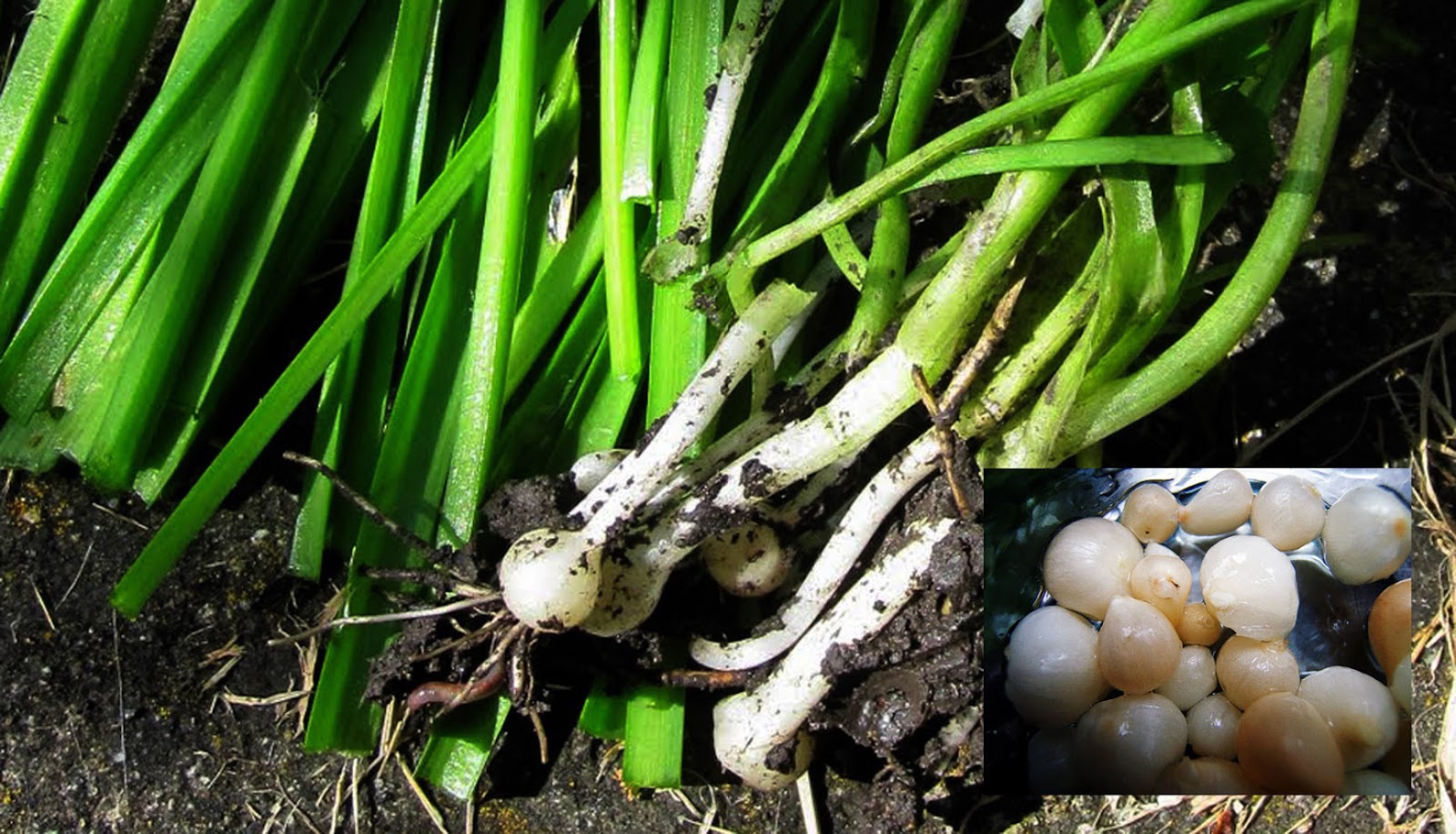
The three-cornered leek (Allium triquetrum) is an invasive weed in the Amaryllidaceae family, which is native to the Mediterranean and which can carpet large areas very quickly because of its rapidly germinating seeds that quickly form a dense clump of leaves and flowers. Both the English name and the specific epithet triquetrum refer to the three-cornered shape of the flower stalks. In New Zealand this plant is known as "onion weed".

Pretty though this three-cornered leek may be, don't be tempted to pick it as a cut flower because it does reek strongly of an oniony smell! However, you can pick it for eating, as all parts of the plant are edible. The leaves and flowers can be added to salads, and the bulbs can be substituted for garlic. The taste can be described as subtly flavoured like a leek or a spring onion. It may be consumed raw or cooked.

This post is part of the Floral Friday Fotos meme.


Thursday, 23 August 2018

KNIPHOFIA

Kniphofia also called tritoma, red hot poker, torch lily, knofflers or poker plant, is a genus of perennial flowering plants in the family Asphodelaceae, first described as a genus in 1794. It is native to Africa. Herbaceous species and hybrids have narrow, grass-like leaves 10–100 cm long, while evergreen species have broader, strap-shaped foliage up to 1.5 m long.

All plants produce spikes of upright, brightly coloured flowers well above the foliage, in shades of red, orange and yellow, often bicoloured. The flowers produce copious nectar while blooming and are attractive to bees. In the New World they may attract sap-suckers such as hummingbirds and New World orioles. The genus Kniphofia is named after Johann Hieronymus Kniphof, an 18th-century German physician and botanist.

This post is part of the Floral Friday Fotos meme.

Thursday, 15 March 2018

BLOOD FLOWER

Haemanthus coccineus (commonly known as the Blood Flower or Paintbrush Lily), is a bulbous geophyte in the genus Haemanthus, and the Amaryllidaceae family, native to Southern Africa. The generic name Haemanthus is derived from the Greek words haima for "blood" and anthos for "flower"; coccineus is the Latin word for red or scarlet. In the Afrikaans language it is known as Bergajuin, Bloedblom, and many other vernacular names.

The Blood Lily is native throughout the winter rainfall region in Southern Africa - from the southern parts of Namibia, to South Africa in the Cape Peninsula, to the Keiskamma River in the Eastern Cape. It is an adaptable species, growing in a wide range of soils derived from sandstones, quartzites, granites, shales and limestones. It will survive annual rainfall ranging from 100–1,100 millimetres.

The large (up to 10 cm diameter) flowerheads of Haemanthus coccineus emerge between February and April in the Southern Hemisphere, with scarlet spathe valves on them like bright shaving brushes, making it a striking plant. The flowers are soon followed by translucent, fleshy berries. There are usually two very large leaves per bulb, and occasionally three, these leaves appearing only after flowering has occurred. We have it growing in our garden quite happily and it always attracts a lot of attention when it is in bloom.

This post is part of the Floral Friday Fotos meme.

Thursday, 12 October 2017

NARCISSUS

Narcissus is a genus of predominantly spring perennial plants in the Amaryllidaceae family. Various common names including daffodil, daffadowndilly, narcissus, and jonquil are used to describe all or some members of the genus. Narcissus has conspicuous flowers with six petal-like tepals surmounted by a cup- or trumpet-shaped corona. The flowers are generally white or yellow (orange or pink in garden varieties), with either uniform or contrasting coloured tepals and corona.

Narcissus were well known in ancient civilisation, both medicinally and botanically, but formally described by Linnaeus' in his Species Plantarum (1753). The genus is generally considered to have about ten sections with approximately 50 species. The number of species has varied, depending on how they are classified, due to similarity between species and hybridisation. The genus arose some time in the Late Oligocene to Early Miocene epochs, in the Iberian peninsula and adjacent areas of southwest Europe. The exact origin of the name Narcissus is unknown, but it is often linked to a Greek word for intoxicated (narcotic) and the myth of the youth of that name who fell in love with his own reflection. The English word 'daffodil' appears to be derived from "asphodel", with which it was commonly compared.

The species are native to meadows and woods in southwest Europe and North Africa with a centre of diversity in the Western Mediterranean, particularly the Iberian peninsula. Both wild and cultivated plants have naturalised widely, and were introduced into the Far East prior to the tenth century. Narcissi tend to be long-lived bulbs, which propagate by division, but are also insect-pollinated. Known pests, diseases and disorders include viruses, fungi, the larvae of flies, mites and nematodes.

Some Narcissus species have become extinct, while others are threatened by increasing urbanisation and tourism. Dafffodil breeding has introduced a wide range of colours, in both the outer perianth tepal segment and the inner corona. In the registry, daffodils are coded by the colours of each of these two parts. Thus in the photo below of Narcissus 'Geranium', Tazetta (Division 8) has a white outer perianth and orange corona and is classified as 8 W-O.

This post is part of the Floral Friday Fotos meme,
and also part of the ABC Wednesday meme.


Thursday, 29 September 2016

IXIA - CORN LILY

The genus Ixia consists of a number of cormous plants native to South Africa from the Iridaceae family and Ixioideae subfamily. Some of them are known as the corn lily. Some distinctive traits include sword-like leaves and long wiry stems with star-shaped flowers. It usually prefers well-drained soil. The popular corn lily has specific, not very intense fragrance. It is often visited by many insects such as bees. The Ixia are also used as ornamental plants and cut flowers.

Ixia viridiflora, also known as "Turquoise Ixia", is a tall member of the genus Ixia. It comes from around the Tulbagh in South Africa, Cape Province. It has small corms under the ground. This corn lily is a very rare plant. Its habitats are often destroyed by human influence so the conservation status of this interesting flower is vulnerable and is tending to worse.

The plant gets the name "Turquoise Ixia" from the really spectacular blue-green turquoise colour of the flowers, which is a rare colour for flowers. They are grouped in long inflorescences and are traditionally star-shaped like in most corn lilies. They have a black-purple centre. The ovary is 3-locular. This flower is pollinated by specific scarab beetles known as monkey beetles of the tribe Hopliini. The Turquoise Ixia has very good ornamental traits with its beautiful inflorescences but is very rare in cultivation because of its conservation status.

This post is part of the Floral Friday Fotos meme.


Thursday, 1 September 2016

LACHENALIA

Lachenalia aloides (opal flower) is a species of flowering plant in the family Asparagaceae, native to the Western Cape of South Africa. It is a bulbous perennial growing to 15–28 cm tall by 5 cm broad, with strap-shaped spotted leaves and fleshy stems bearing pendent tubular yellow flowers, red at the tips, in winter and spring.

The Latin aloides means "aloe-like"; though L. aloides, despite its similarity, does not belong to the same family of plants as aloes. Numerous cultivars have been bred for garden use. They require a sheltered, frost-free position or under glass. Some cultivars have gained the Royal Horticultural Society's Award of Garden Merit.

This post is part of the Floral Friday Fotos meme.
Thursday, 4 August 2016

SNOWFLAKE FLOWER

Leucojum is a small genus of bulbous plants belonging to the Amaryllidaceae family, subfamily Amaryllidoideae native to Eurasia. As currently circumscribed the genus includes only two known species Leucojum aestivum L. - summer snowflake or Loddon lily (Europe, Middle East, Caucasus; naturalised in Australia + North America) and Leucojum vernum L. - spring snowflake (southern + central Europe from Spain to Ukraine).  Leucojum is a compound of Greek λευκος, leukos "white" and ἰόν, ion "violet". The spelling Leucoium is also used. Other common names include snowbell, dewdrop, and St. Agnes' flower.

The snowflakes are native to central and southern Europe, from the Pyrenees to Romania and western Russia, but they have been introduced and have naturalised in many other areas, including the east coast of North America. They have narrow, strap-like, dark green leaves. The flowers are small and bell-shaped, white with a green (or occasionally yellow) spot at the end of each tepal. They have a slight fragrance.

Leucojum vernum (Spring snowflake) normally grows 15-20 cm tall, though it may reach up to 35 cm. It flowers one or two weeks later than the snowdrops, i.e., from mid-February to March, as soon as the snow melts in its wild habitat. Two varieties are known: L. vernum var. vernum with green spots on its tepals, and L. vernum var. carpathicum, which originates from the eastern part of its natural range, a larger plant with yellowish spots on its tepals; 'vagneri' from Hungary is a robust variant of var. vernum, often with two flowers per stem.

This post is part of the Floral Friday Fotos meme.


Thursday, 10 September 2015

SPARAXIS

Sparaxis (Harlequin Flower) is a genus in the family Iridaceae with about 13 species endemic to Cape Province, South Africa. All are perennials that grow during the wet winter season, flower in spring and survive underground as dormant corms over summer. Their conspicuous flowers have six tepals, which in most species are equal in size and shape.

Sparaxis bulbifera (shown here) is the commonest in cultivation, with flowers from cream to yellow or purple. S. grandiflora is a similar but larger plant. Sparaxis tricolor has bright red flowers with yellow and black centres. Many named hybrid cultivars were bred from S. bulbifera and S. tricolor. A group of species with asymmetrical flowers marked in mauve and yellow, including Sparaxis variegata and Sparaxis villosa, was formerly treated as the genus Synnotia. The genus name is derived from the Greek word sparasso, meaning "to tear", and alludes to the shape of the floral bracts.

This post is part of the Floral Friday Fotos meme.


Thursday, 12 February 2015

NAKED LADIES LILIES

Amaryllis is a small genus of flowering bulbs, with two species. The better known of the two, Amaryllis belladonna, is a native of the Western Cape region of South Africa, particularly the rocky southwest area between the Olifants River Valley to Knysna. For many years there was confusion amongst botanists over the generic names Amaryllis and Hippeastrum, one result of which is that the common name "amaryllis" is mainly used for cultivars of the genus Hippeastrum, widely sold in the winter months for their ability to bloom indoors.

Plants of the genus Amaryllis are known as belladonna lily, Jersey lily, naked lady, amarillo, Easter lily in Southern Australia or, in South Africa, March lily due to its propensity to flower around March. This is one of numerous genera with the common name "lily" due to their flower shape and growth habit. However, they are only distantly related to the true lily, Lilium.

Each bulb produces one or two leafless stems 30–60 cm tall, each of which bears a cluster of 2 to 12 funnel-shaped flowers at their tops. Each flower is 6–10 cm diameter with six tepals (three outer sepals, three inner petals, with similar appearance to each other). The usual colour is white with crimson veins, but pink or purple also occur naturally.

Amaryllis belladonna was introduced into cultivation at the beginning of the eighteenth century. It reproduces slowly by either bulb division or seeds and has gradually naturalised from plantings in urban and suburban areas throughout the lower elevations and coastal areas in much of the West Coast of the USA since these environments mimic their native South African habitat. Hardiness zones 6-8. It is also naturalised in Australia.

This post is part of the Floral Friday Fotos meme.

Thursday, 2 October 2014

DAFFODIL 'DEAR LOVE'

Narcissus 'Dear Love' is a beautiful daffodil hybrid. Daffodils are a worry-free garden classic, and 'Dear Love' is one of the most unusual and impressive daffodils in the garden. Bred by Grant Mitsch (who started hybridising daffodils in the 30s), this exceptional cultivar features beautiful large-cupped blooms, augmented with a split corona. Intensely frilled and ruffled, this split corona takes on a peachy tone, accented by lemon yellow in the centre and edged in a creamy white.

It is one of the most trouble-free perennials of all time, Narcissus (daffodil) grows and multiplies wonderfully on its own, filling in large drifts with spring colour all with a minimum of care. Famously resistant to disease and untroubled by pests, these bulbs won't even need to be divided: just plant them in a well-drained soil with at least half a day of sunlight, and let them take it from there!

This post is part of the Floral Friday Fotos meme.


Thursday, 11 September 2014

SPRING DAFFODILS

"Daffodowndilly has come to town,
in a yellow petticoat and a green gown."
Traditional Rhyme

This post is part of the Floral Friday Fotos meme.

Thursday, 4 September 2014

LACHENALIA ALOIDES

Lachenalia aloides (opal flower; Cape cowslip) is a species of flowering plant in the family Asparagaceae, native to the Western Cape of South Africa. It is a bulbous perennial growing to 15–28 cm tall by 5 cm broad, with strap-shaped spotted leaves and fleshy stems bearing pendent tubular yellow flowers, red at the tips, in winter and spring.

The Latin aloides literally means "aloe-like"; though L. aloides, despite its similarity, does not belong to the same family of plants as aloes. Numerous cultivars have been bred for garden use. They require a sheltered, frost-free position or under glass. Some cultivars have gained the Royal Horticultural Society's Award of Garden Merit.

This post is part of the Floral Friday Fotos meme.


Thursday, 7 August 2014

SPRING HYACINTHS

Hyacinthus orientalis (common hyacinth, garden hyacinth or Dutch hyacinth), is a herbaceous perennial flowering plant, native to southwestern Asia, southern and central Turkey, northwestern Syria, Lebanon and northern Israel. It was introduced to Europe in the 16th century. It is widely cultivated everywhere in the temperate world for its strongly fragrant flowers which appear exceptionally early in the season, and frequently forced to flower at Christmas time.

It is a bulbous plant, with a 3–7 cm diameter bulb. The leaves are strap-shaped, 15–35 cm long and 1–3 cm broad, with a soft, succulent texture, and produced in a basal whorl. The flowering stem is a spike, which grows to 20–35 cm (rarely to 45 cm) tall, bearing 2–50 fragrant flowers 2–3.5 cm long with a tubular, six-lobed perianth.

H. orientalis has a long history of cultivation as an ornamental plant, grown across the Mediterranean region, and later France (where it is used in perfumery), the Netherlands (a major centre of cultivation) and elsewhere. It flowers in the early spring, growing best in full sun to part shade in well-drained, but not dry, soil. It requires a winter dormancy period, and will only persist in cold-weather regions. It is grown for the clusters of strongly fragrant, brightly coloured flowers. Over 2,000 cultivars have been selected and named, with flower colour varying from blue, white, pale yellow, pink, red or purple; most cultivars have also been selected for denser flower spikes than the wild type, bearing 40–100 or more flowers on each spike.

This post is part of the Floral Friday Fotos meme.


Thursday, 5 June 2014

DUTCH IRIS

A Dutch iris,  which is the name given to the many hybrids of Iris xiphium and Iris tingitana and Iris latifolia, sometimes called Iris × hollandica, is shown here. They usually bloom in Spring, but we are seeing some of these flowering unseasonably in our mild Autumn here in Melbourne.

This post is part of the Floral Friday Fotos meme.

Thursday, 24 October 2013

STAR OF BETHLEHEM

Ornithogalum is a genus of perennial plants mostly native to southern Europe and southern Africa belonging to the family Asparagaceae. There are some species native to other areas such as the Caucasus. Growing from a bulb, species have linear basal leaves and a slender stalk, up to 30 cm or more tall, bearing clusters of typically white star-shaped flowers, often striped with green. The common name of the genus, Star-of-Bethlehem, is based on its star-shaped flowers, after the Star of Bethlehem that appeared in the Biblical account of the birth of Jesus.

The cultivar illustrated here is Ornithogalum thyrsoides 'Chesapeake Snowflake'. It is derived from a Southern African species and is a large, robust and showy flower. It makes an excellent cut flower with a vase life of up to two weeks.

This post is part of the Floral Friday Fotos meme.


Thursday, 8 August 2013

JONQUIL

Narcissus jonquilla (Jonquil, Rush daffodil) is a bulbous flowering plant, a species of Narcissus (daffodil) that is native to southwestern Europe and northern Africa, but has naturalised throughout Europe and the United States. It bears long, narrow, rush-like leaves (hence the name "jonquil", Spanish junquillo, from the Latin juncus = "rush").

In Spring it bears heads of up to 5 scented yellow or white flowers. It is a parent of numerous varieties within Division 7 of the horticultural classification. Division 7 in the Royal Horticultural Society classification of Narcissus includes N. jonquilla and N. apodanthus hybrids and cultivars that show clear characteristics of those two species. N. jonquilla has been cultivated since the 18th century in France as the strongest of the Narcissus species used in Narcissus Oil, a component of many modern perfumes.

This post is part of the Floral Friday Fotos meme.

Thursday, 4 July 2013

FRAGRANT JONQUILS

Narcissus jonquilla (Jonquil, Rush daffodil) is a bulbous flowering plant, a species of Narcissus (daffodil) that is native to southwestern Europe and northern Africa, but has naturalised throughout Europe and the United States. It bears long, narrow, rush-like leaves (hence the name "jonquil", Spanish junquillo, from the Latin juncus = "rush").

In late Spring it bears heads of up to 5 scented yellow or white flowers. It is a parent of numerous varieties within Division 7 of the horticultural classification. Division 7 in the Royal Horticultural Society classification of Narcissus includes N. jonquilla and N. apodanthus hybrids and cultivars that show clear characteristics of those two species. N. jonquilla has been cultivated since the 18th century in France as the strongest of the Narcissus species used in Narcissus Oil, a component of many modern perfumes.

This post is part of the Floral Friday Fotos meme.