Showing posts with label Mediterranean. Show all posts

Thursday, 14 November 2019

SWEET PEA

The sweet pea (Lathyrus odoratus) is a flowering plant in the genus Lathyrus in the family Fabaceae (legumes), native to Sicily, Cyprus, southern Italy and the Aegean Islands. It is an annual climbing plant, growing to a height of 1–2 metres, where suitable support is available.

The leaves are pinnate with two leaflets and a terminal tendril, which twines around supporting plants and structures, helping the sweet pea to climb. In the wild plant the flowers are purple, 2–3.5 centimetres broad; they are larger and very variable in colour in the many cultivars. The annual species, L. odoratus, may be confused with the everlasting pea, L. latifolius, a perennial.

This post is part of the Floral Friday Fotos meme.

Thursday, 27 June 2019

JONQUILS

Narcissus jonquilla (Jonquil, Rush daffodil) is a bulbous flowering plant, a species of Narcissus (daffodil) that is native to southwestern Europe and northern Africa, but has naturalised throughout Europe and the United States. It bears long, narrow, rush-like leaves (hence the name "jonquil", Spanish junquillo, from the Latin juncus = "rush"). It is in the Amaryllidaceae family of plants.

In Spring it bears heads of up to 5 scented yellow or white flowers. It is a parent of numerous varieties within Division 7 of the horticultural classification. Division 7 in the Royal Horticultural Society classification of Narcissus includes N. jonquilla and N. apodanthus hybrids and cultivars that show clear characteristics of those two species. N. jonquilla has been cultivated since the 18th century in France as the strongest of the Narcissus species used in Narcissus Oil, a component of many modern perfumes.

Like other members of their family, narcissi produce a number of different alkaloids, which provide some protection for the plant, but may be poisonous if accidentally ingested. This property has been exploited for medicinal use in traditional healing and has resulted in the production of galantamine for the treatment of Alzheimer's dementia.

This post is part of the Floral Friday Fotos meme.

Thursday, 30 August 2018

THREE-CORNERNED LEEK

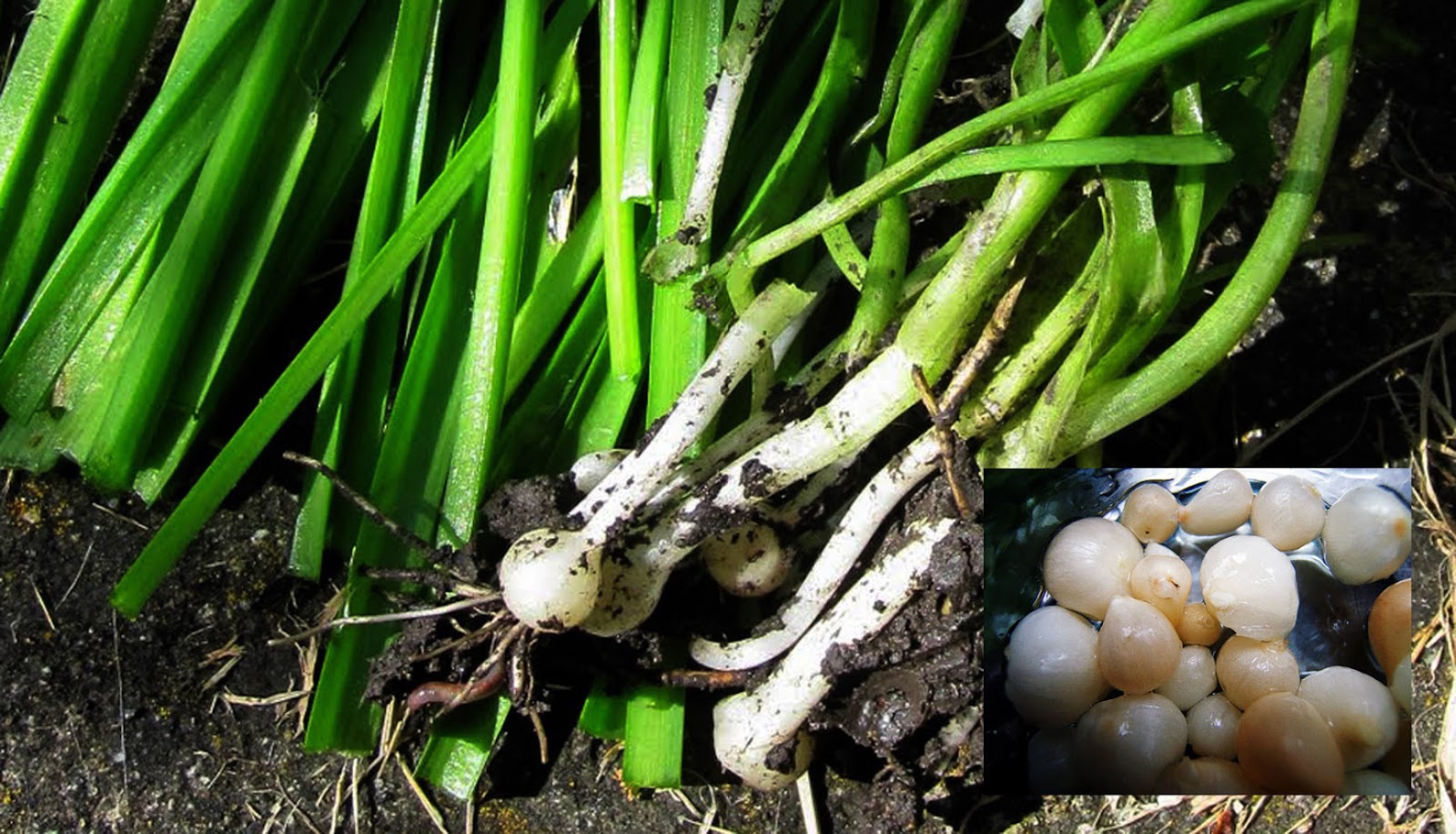
The three-cornered leek (Allium triquetrum) is an invasive weed in the Amaryllidaceae family, which is native to the Mediterranean and which can carpet large areas very quickly because of its rapidly germinating seeds that quickly form a dense clump of leaves and flowers. Both the English name and the specific epithet triquetrum refer to the three-cornered shape of the flower stalks. In New Zealand this plant is known as "onion weed".

Pretty though this three-cornered leek may be, don't be tempted to pick it as a cut flower because it does reek strongly of an oniony smell! However, you can pick it for eating, as all parts of the plant are edible. The leaves and flowers can be added to salads, and the bulbs can be substituted for garlic. The taste can be described as subtly flavoured like a leek or a spring onion. It may be consumed raw or cooked.

This post is part of the Floral Friday Fotos meme.